
"Experience Nature Consciously" in Kleinwalsertal is committed to raising awareness of the value of nature. The focus is on the targeted guidance of recreation seekers and leisure sports enthusiasts as well as on imparting knowledge. After all, nature is far more than just a backdrop for experiences - it is a habitat, provides drinking water, supplies us with food and protects us from natural hazards such as avalanches. It also contributes to climate regulation.
Respectful in NATURE - CONSCIOUS with each other - EXPERIENCE with foresight

TAKE YOUR WASTE
It goes without saying - take your garbage with you, on the mountain and in the valley. Please also take organic waste, as it composts more slowly at altitude. You can dispose of waste properly at home or in your accommodation. Find out more here!
STAY ON PATHS AND MARKED ROUTES
If you follow the marked paths and routes, you are sure to discover new favorite places. You will also respect protected areas, as many animals and plants need special protection. Especially in winter, any disturbance costs wild animals unnecessary energy, which they need to survive.
ON TOUR WITH A DOG
Do you always have your four-legged partner under control, even if he smells other animals? You're both on the safe side on the lead. Keep dogs on a short lead near grazing animals. If an attack by a grazing animal is imminent: take them off the lead immediately. There are numerous dog stations in the valley for disposing of dog bags. The farmers and alpine farmers will thank you, as excrement on meadows and fields contaminates the feed and makes the grazing livestock ill.
VALUING THE PRESERVATION OF THE CULTURAL LANDSCAPE
Alpine landscapes are fascinating because of their contrasts: imposing peaks and natural forests alternate with gentle valleys, well-tended meadows and pastures. In Kleinwalsertal too, this charming landscape at three altitudes is no coincidence, but the result of an interplay between natural and cultural landscapes. Behind this is the work of farmers, alpine farmers, foresters and hunters. With their work, they ensure that the attractiveness of the recreational and leisure area and the diversity of species are preserved. We already say thank you when we stay on marked trails and enjoy regional products.
CAMPING ONLY ON PUBLIC CAMPSITES
Tenting and camping in the Kleinwalsertal are permitted only at designated campgrounds - they are not allowed on alpine pastureland or in alpine terrain.
Many wild animals are nocturnal and need peace and quiet during the dark hours of the day to forage for food. They are particularly drawn to watering holes along streams and our small lakes during this time. If they are disturbed while doing so, they become stressed.

ON THE NATURAL TOILET
If you are looking for a quiet place, please keep it at least 50 m away from water. Bury excrement or cover it with a large stone. Use leaves or recycled toilet paper and take the paper back with you in the bin bag.

AVOID TWILIGHT AND NIGHT TIMES
The morning and evening hours are the time when most wild animals are looking for food. If they are disturbed, they become stressed, which can be life-threatening for them, especially in winter. If it is unavoidable, please stay on the marked path, do not use a bright headlamp and keep quiet.

BE CONSIDERATE
Everyone loves to enjoy a special corner of the world for themselves. Most of the time, however, we are not traveling alone. No problem, because there is plenty of space. Take your time, clear the way for those approaching, give support if someone needs help and always give a smile. This way, nothing stands in the way of friendly interaction and relaxed enjoyment of nature.

SAFE ON TOUR - FOR YOU AND OTHERS
Whether you are on a ski or snowshoe tour in winter or a mountain tour in summer, you need to be well prepared when you are out and about in alpine terrain. This includes careful information and tour planning as well as the right equipment.
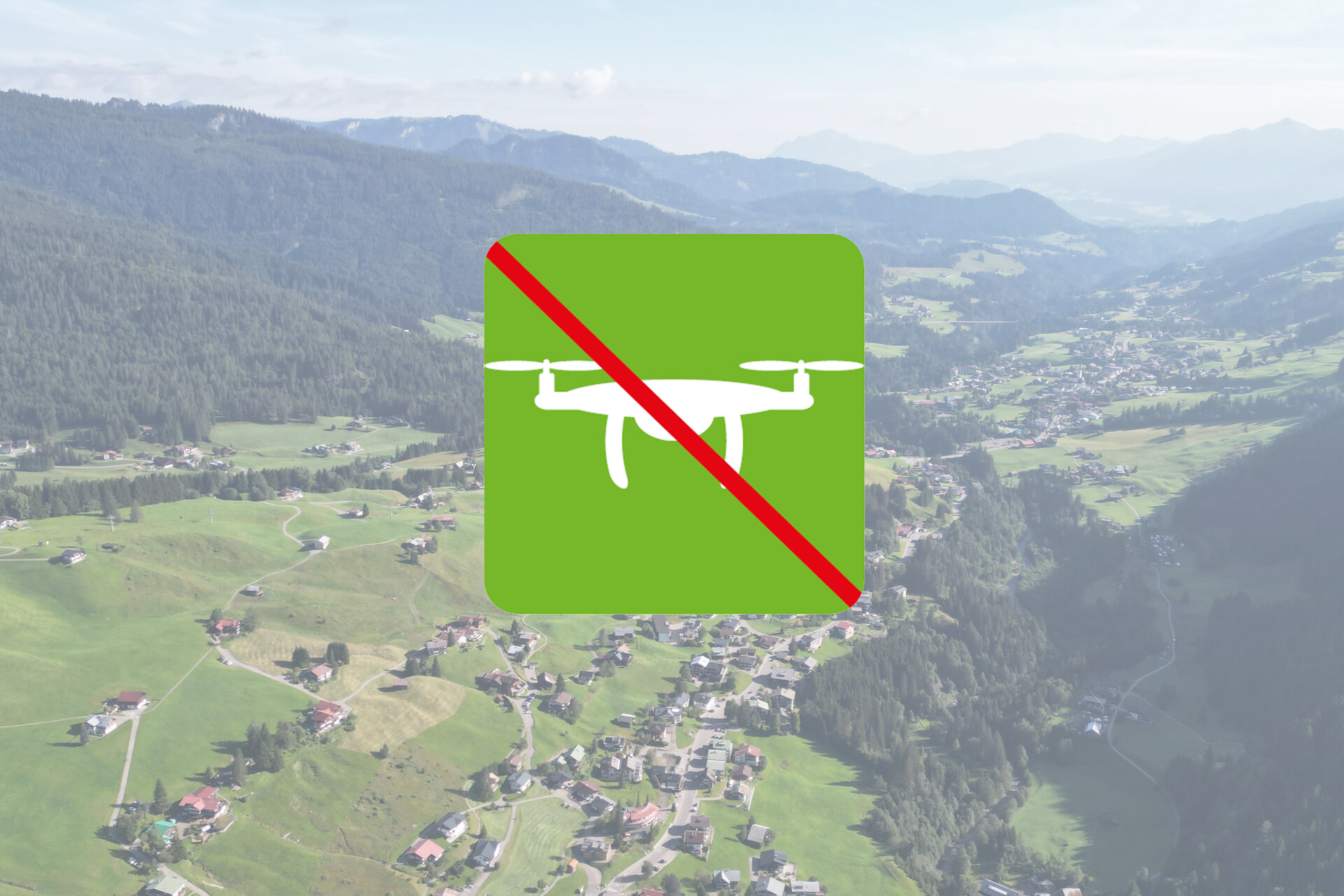
DRONES DISTURB WILD ANIMALS
Wild animals, especially birds, may mistake drones at first glance for predators or competitors. When drones appear suddenly and unexpectedly, the birds have no choice but to flee quickly—though this is unnecessary. Birds may also attack drones to defend their nesting areas or territories. Both flight and attack can lead to the loss of nests. To ensure that birds can nest undisturbed, a greater distance from rock faces and terrain edges should generally be maintained.